
Choosing a transportation management system or visibility platform is one of the most important decisions a supply chain team can make. The right system provides efficiency, automation, transparency, and measurable improvements in cost and service. The wrong system creates blind spots, complicates operations, and limits a company’s ability to scale.
Shippers evaluating TMS or visibility technology should focus on features, integrations, usability, and the long-term reliability of the provider. Below are key considerations that separate effective systems from those that fall short.
Real-Time Visibility and Accurate Tracking
A TMS must provide reliable shipment tracking with frequent, accurate updates. Visibility should include:
-
Real-time GPS signals
-
Predictive ETAs
-
Alerts for delays or route deviations
-
Facility-level dwell insights
-
Driver hours-of-service information
Modern supply chains move too quickly to rely on outdated or inconsistent data.
Strong Integration Capabilities
A TMS or visibility platform must integrate with the tools shippers already use, such as:
-
ERP systems
-
Warehouse management systems
-
ELD and telematics providers
-
Carrier APIs
-
Accounting and invoicing platforms
Systems that force manual data entry inevitably create errors and inefficiencies.
Automation That Reduces Administrative Work
A strong TMS should streamline operations by automating repetitive or time-consuming tasks. Examples include:
-
Automatic tendering
-
Digital document management
-
Appointment scheduling
-
Rating and routing logic
-
Status updates and exception alerts
Automation frees teams to focus on exceptions, planning, and relationship management.
Scalability and Flexibility
The system should support future expansion, new operating models, and evolving transportation strategies. Shippers should look for platforms that:
-
Adapt to new modes and service levels
-
Handle fluctuating volumes
-
Support regional, national, and international freight
-
Allow for configuration without custom development
The best systems grow with the business rather than constrain it.
User Experience and Onboarding
A TMS or visibility platform is only effective if users actually engage with it. Shippers should evaluate:
-
Ease of use
-
Implementation support
-
Training resources
-
Quality of customer service
Complex systems with poor onboarding often result in limited adoption.
Data Quality and Reporting
Comprehensive reporting is essential for evaluating performance and making strategic decisions. Shippers should expect:
-
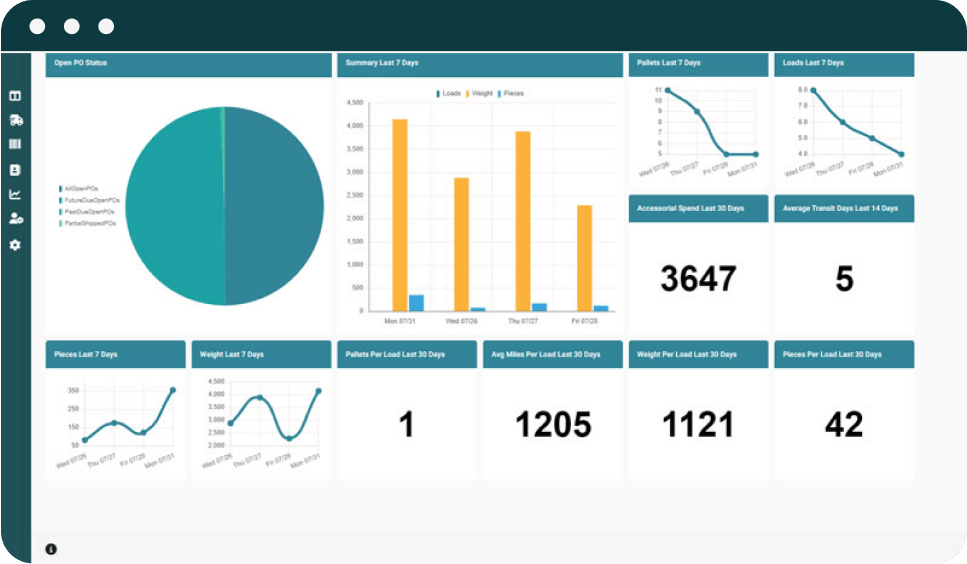
Accurate analytics dashboards
-
Historical lane performance
-
Cost breakdowns
-
Carrier scorecards
-
Predictive modeling
The clearer the data, the better the decisions.
What Kingsgate Recommends
Shippers should select systems that provide real insight, reduce manual work, and support actionable decision-making. The ideal platform blends robust technology with practical usability, ensuring every stakeholder—carriers, shippers, receivers, and internal teams—can work from the same accurate information.
Kingsgate partners with technology providers that deliver reliable data, intuitive interfaces, and scalable infrastructure. Our focus is on giving customers the visibility, speed, and clarity needed to operate efficiently in a dynamic logistics environment.
A strong TMS or visibility platform is not just software; it is a foundation for resilient, high-performing supply chain operations.